
Making Values Tangible through Light, Texture, and Sound
Today we explore Sensory Sustainability: Communicating Values through Light, Texture, and Sound. By translating intentions into perceivable cues, we turn sustainability from distant policy into felt experience, guiding choices through comfort, clarity, and delight. Expect practical principles, stories, and tools that help teams express care, reduce impact, and inspire participation across workplaces, homes, products, and public spaces.


Light that signals care
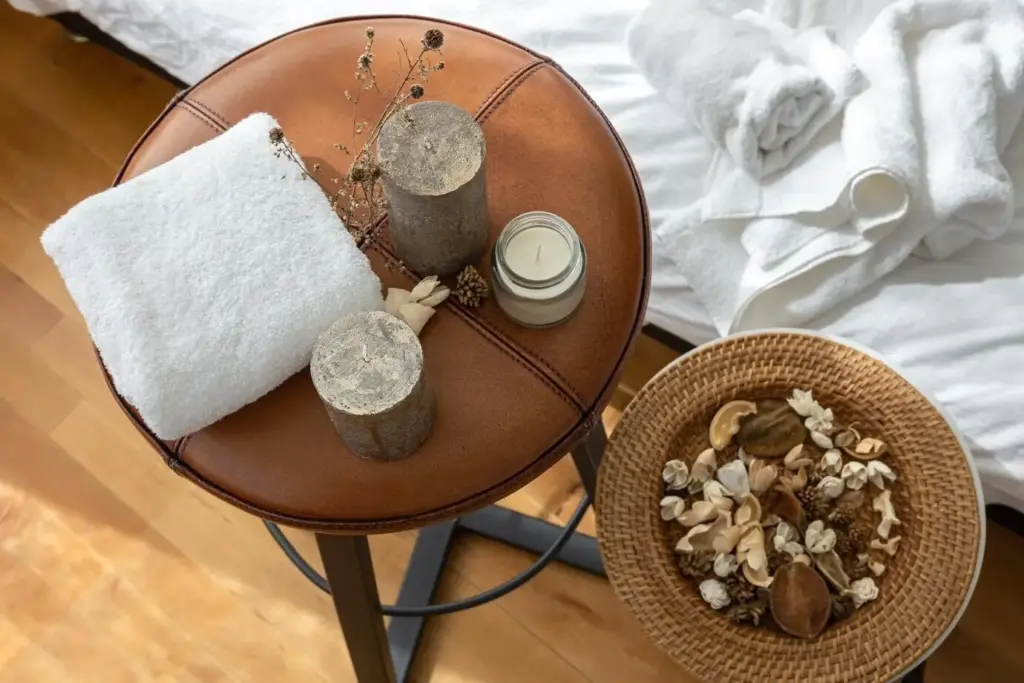
From glare-free entryways to daylight rhythms that honor circadian health, luminous cues quietly demonstrate respect for people and planet. Warmth suggests repair instead of replacement, calibrated brightness reduces energy without sacrificing safety, and gentle contrasts guide navigation, dignity, and inclusion while celebrating restraint as a visible, comforting asset.

Textures that teach responsibility
Tactile surfaces carry stories of origin, labor, and longevity. A reclaimed oak handrail invites slower movement and notice, while recycled stone composites reveal subtle irregularities that encourage acceptance of variation. Honest finishes patina gracefully, signaling endurance, repairability, and shared responsibility, turning every touchpoint into a reminder that care is practical, teachable, and rewarding.
Principles for Designing with Light, Texture, and Sound
Consistent experiences emerge from a few grounded rules applied with empathy. Start with human perception, not equipment catalogs. Calibrate brightness, tactility, and acoustic absorption around tasks, dwell time, and accessibility, then trim excess. Reveal material truth instead of disguising imperfections. Prefer reversible assemblies. Let daylight lead. Treat silence as precious. Above all, choreograph transitions that communicate care at thresholds, because beginnings and endings set memory and meaning.
Case Stories from Studios and Streets
Real places show how sensory choices transmit meaning faster than signage. We visited teams who tuned light, texture, and sound to change behavior, reduce resource use, and express integrity. Their lessons are humble and transferable: start small, listen deeply, measure honestly, and iterate publicly so communities feel invited into the process rather than treated as spectators or targets.

A library that glows with restraint
A neighborhood library replaced harsh troffers with low-glare pendants, high-reflectance paints, and daylight sensors. Energy use fell dramatically, yet visitors reported warmer welcome and longer stays. Staff noted fewer headaches, quieter conversations, and easier wayfinding. Modest investments, plus user feedback sessions, created loyalty that protected funding during a difficult budget season.

A market pavilion with circular textures
An open-air market chose reclaimed timbers and recycled rubber underfoot. The grain and give under shoes invited slower browsing and less product damage. Vendors began repairing display crates, inspired by the materials’ second life. Rain noise softened by wood slats reduced announcements, saving electricity and easing stress for elders and children.
Lighting choices that whisper integrity
Prioritize dimmable drivers, high-CRI sources, and field-replaceable components. Aim for layered scenes linked to occupancy and daylight. Choose optics that limit spill and respect neighbors. Keep maintenance logs accessible. When fixtures fail, repair first, upgrade only when performance gains clearly outweigh embodied impacts, and tell that story where people can actually see and understand it.
Textile and surface palettes grounded in reality
Prefer mono-material fabrics and separable composites. Label fibers at edges for future recovery. Select finishes that tolerate water-based cleaning and local repair. Keep sample kits that explain sourcing journeys. Train teams to feel differences blindfolded; tactility literacy unlocks better purchasing decisions, less waste, and more meaningful, transparent conversations with users and suppliers alike.
Sound strategies that welcome conversation
Audit reverberation with handclap tests, smartphone apps, and common sense. Combine soft seating, ceiling islands, and book-filled walls. Isolate machines on pads. Tune HVAC speeds to avoid tonal whine. Post quiet hours proudly. Encourage voice-level norms through layout, not signage, so people feel guided, respected, and eager to linger longer without fatigue.
Measuring Impact and Communicating the Why
Perception is personal, yet patterns emerge when we track both feelings and facts. Pair sensory diaries with sensor data to connect stories to numbers. Measure dwell time, complaints resolved, product returns avoided, volunteer hours gained, and maintenance cycles extended. Share results openly, invite critique, and celebrate course corrections as proof of listening and growth.

Inclusive Experience and Community Co-Creation
Sensory cues must include, not exclude. Design for diverse bodies, languages, ages, and neurotypes by expanding the palette and offering options. Provide tactile maps, glare-free sightlines, quiet retreats, and staffed assistance points. Host regular listening sessions, publish what you heard, and credit contributors. Participation creates guardianship, which sustains improvements long after launch day.
All Rights Reserved.