Circular Design Tales at Home: Upcycled Materials as Story Anchors
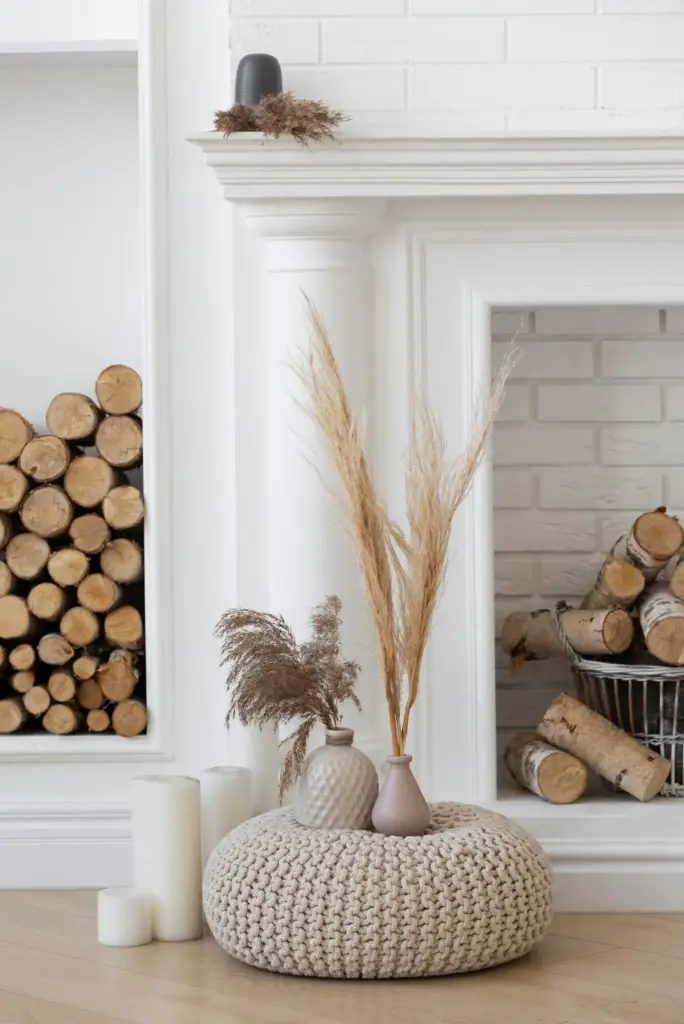
Step inside a living approach to home making where stories are built into every surface, joint, and stitch. Today we explore Circular Design Tales: Upcycled Materials as Story Anchors in Living Spaces, celebrating objects rescued, reimagined, and rooted in memory. Through practical guidance, heartfelt stories, and measurable impact, you’ll learn how to weave character-rich, low-waste pieces into rooms that feel honest and alive. Share your own discoveries, ask questions about materials, and subscribe to follow future transformations shaped by community, craft, and circular care.

From Discard to Dialogue

Begin by listening to what the material suggests: dents, grain, or rivet holes map earlier labor and travel. Instead of hiding marks beneath heavy fillers, let contrast guide the design, pairing refined lines with rugged details. This thoughtful dialogue prevents past lives from feeling kitsch, creating contemporary pieces that acknowledge history while serving today’s needs with humility and grace.

Tracing Provenance

Documenting the journey strengthens emotional connection and responsible practice. Photograph demolition sites respectfully, collect supplier notes, and archive receipts. When guests ask, you can share verifiable context rather than vague anecdotes, aligning aesthetics with ethics. Provenance also helps plan maintenance schedules, anticipate finishing behavior, and communicate material limitations honestly to future owners or family members.

Memory, Patina, and Presence

Patina is not dirt; it is time made visible. Test clean gently, stabilize splinters, and seal thoughtfully so touch remains pleasurable. Use sheen contrast to highlight wear without freezing it in museum-like stasis. Presence emerges when materials invite interaction, aging alongside the household, deepening bonds with each repair, seasonal rearrangement, and shared story across generations.

Reclaimed Wood with Quiet Thunder

Verify moisture content to avoid warping, and prefer mechanical de-nailing to protect blades and fingers. When lead paint appears, consult certified professionals or encapsulate safely. Finish with plant-based oils or hardwax blends that highlight grain, allow breathability, and simplify future refreshes. Offcuts can become wall hooks, drawer pulls, or coasters, extending usefulness and minimizing waste from each board.

Metal Reborn: Steel, Brass, Aluminum

Degrease thoroughly, neutralize rust where appropriate, and decide between preserving patina or applying durable powder coat. Pair cool metal with warm fibers or sunlight to avoid sterility. Tubing scraps transform into side tables or plant stands; mesh panels become airy cabinet doors. Felt pads, rubber isolators, and thoughtful edge breaks make metal-friendly for bare feet, pets, and children.

Textiles Rewoven: Denim, Sailcloth, Burlap

Launder reclaimed fabrics with fragrance-free detergents, then inspect seams and weave for durability. Patch visibly using contrasting thread to celebrate repair, or invisibly when pattern continuity matters. Old sails become curtains that billow with memory; denim becomes upholstery that softens over time. Consider moth-resistant storage, sun-fade awareness, and upholstery foam made from natural latex to reduce off-gassing.

Methods that Respect Tomorrow

Building for disassembly is an act of generosity toward future inhabitants. Choose reversible joinery, standardized hardware, and exposed fasteners only where beautiful. Avoid permanent adhesives that trap value. Design modules that adapt as needs shift, allowing a bench to extend, a bookshelf to become a room divider, or a cabinet to swap parts. These strategies keep materials circulating, simplify repairs, and encourage participation from neighbors, makers, and curious kids who witness how things come apart and go together again.

Styling the Story Without Clutter

Restraint keeps meaning audible. Group objects by origin, material, or utility so each vignette speaks clearly rather than competing for attention. Negative space becomes a collaborator, giving rescued elements room to breathe. Color palettes can echo natural finishes, while textiles soften harder surfaces. Lighting reveals patina and shadow play, avoiding theatrical overwhelm. We’ll share approaches for editing, rotation, and seasonal swaps, ensuring rooms feel alive and evolving, not crowded, while inviting guests to ask questions and share their interpretations.

Sourcing and Ethics

Finding worthy materials is as important as shaping them. Build relationships with deconstruction crews, theater set shops, boatyards, and textile mills at the moment they offload surplus. Ask about worker safety, chemical exposure, and fair compensation. Seek permission before salvaging from sites, and verify local regulations. Transparency strengthens trust with guests and clients. We’ll outline checklists, negotiation tips, and ways to support circular economies so the stories entering your home are as honorable as the beauty they bring.

Case Notes and Measurable Impact

Stories become most convincing when tested in real homes. We’ll examine compact, budget-friendly projects and larger, heirloom-scale builds, reflecting on emotional response, maintenance patterns, and quantifiable benefits. By tracking embodied carbon avoided, landfill diversion, and repair intervals, you can articulate value beyond aesthetics. These case notes invite your participation: submit questions, send photos of your experiments, and help refine shared practices that keep materials circulating and households grounded in care, creativity, and enduring connection to place.
Merixilazuvaxenupokoze
Privacy Overview

This website uses cookies so that we can provide you with the best user experience possible. Cookie information is stored in your browser and performs functions such as recognising you when you return to our website and helping our team to understand which sections of the website you find most interesting and useful.